In the global Internet environment, server selection is crucial to the normal operation of an enterprise. Japanese servers have gradually become the first choice for many companies due to their excellent stability and security. This article will delve into the characteristics and advantages of Japanese servers, and how to provide reliable network services for enterprises.
Stability is one of the important indicators for evaluating server performance. Japan is known for its advanced technological infrastructure, with efficient network connectivity and data transmission capabilities. Most Japanese server providers use redundant designs to ensure that in the event of a failure, the system can quickly switch to backup equipment, thereby reducing downtime. In addition, the use of optical fiber connections and high bandwidth ensures fast and stable data transmission, allowing Japanese servers to maintain performance in the face of high traffic.

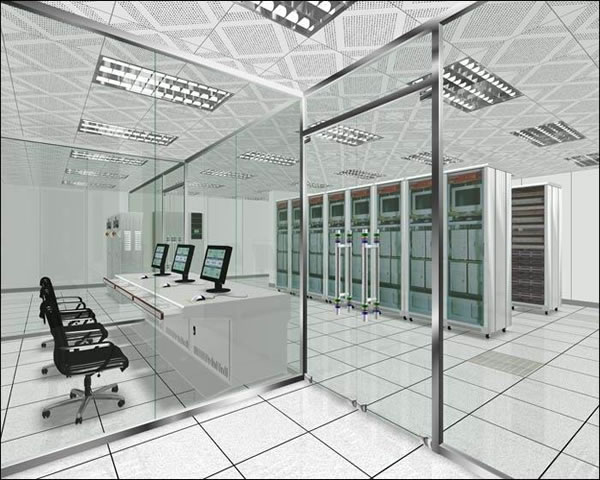
Major Japanese cities, such as Tokyo and Osaka, have numerous high-standard data centers. These data centers are usually equipped with advanced cooling systems, UPS power supplies, firewalls and other facilities to ensure the long-term stable operation of the servers. Through the distributed data center layout, users can choose servers that are closer to each other, thereby further improving access speed and stability. This distributed architecture not only improves service availability, but also provides enterprises with more flexible choices.
Today, when network security is becoming increasingly important, choosing a server with high security is particularly critical. Japanese server providers typically employ multiple layers of security measures, including physical security and network security. In terms of physical security, data centers are usually equipped with 24-hour monitoring, restricted access rights and anti-intrusion systems. ; In terms of network security, we provide firewalls, DDoS protection and regular security audits. These measures effectively reduce the risk of data leaks and cyber attacks, providing a strong guarantee for the data security of corporate customers.
Japan has strict laws and regulations on data protection, such as the Personal Information Protection Act. This provides legal protection for companies to store and process data on Japanese servers, ensuring transparency and compliance in data processing. When businesses choose Japanese servers, they can be assured that their operations comply with international standards, helping to enhance their brand image and customer trust.
Japanese servers are suitable for all types of businesses, whether it is e-commerce, online gaming, or enterprise-level applications. Its superior network stability and security enable enterprises to feel more at ease when handling sensitive information. In addition, as more and more international companies choose to set up data centers in Japan and take advantage of its geographical location to expand in the Asia-Pacific market, the demand for using Japanese servers is also increasing.
When choosing a suitable server, enterprises need to consider multiple aspects such as stability, security, and compliance. With its efficient technical support and complete security measures, Japanese servers provide enterprises with a reliable choice. It is recommended that enterprises pay attention to the reputation, technical support and customer reviews of service providers when choosing, so as to make wise decisions.
To sum up, Japanese servers have become an ideal choice for many enterprises due to their excellent stability and security. By understanding the characteristics of Japanese servers and various safeguards, companies can better protect their data security and ensure continued business operations. In the current global competitive environment, choosing the right server will be an important part of business success.
- Latest articles
- Popular tags
-

How To View Japanese Native Ip Nodes And Choose The Most Appropriate Node Group According To The Application Scenario
this article introduces the key methods and key points of judgment on how to look at japanese native ip nodes, and gives practical suggestions for selecting the most appropriate node group based on different application scenarios (streaming media, games, corporate vpn, data capture, etc.). -

Japanese Server Cn2 Evaluation Failure Rate And Recovery Time Statistics From An Operation And Maintenance Perspective
From the perspective of operation and maintenance, the failure rate and recovery time of Japanese server CN2 routing are evaluated and statistically analyzed, and monitoring methods, key indicators, common fault types and operation and maintenance optimization suggestions are introduced. -
Why Choosing Japanese Native IP Is Crucial For Your Business
Learn why choosing Japanese native IP is crucial for your business, including analysis of market advantages, user experience, and SEO optimization.